

How to Navigate Hong Kong’s Restaurant Scene Like a Local
Skip the tourist traps. We’ll show you where real Hongkongers eat — from dai pai dong to hidden neighborhood gems.
Read ArticleComparing gyms across different neighborhoods. What to look for, hidden fees to avoid, and which facilities actually have good equipment.
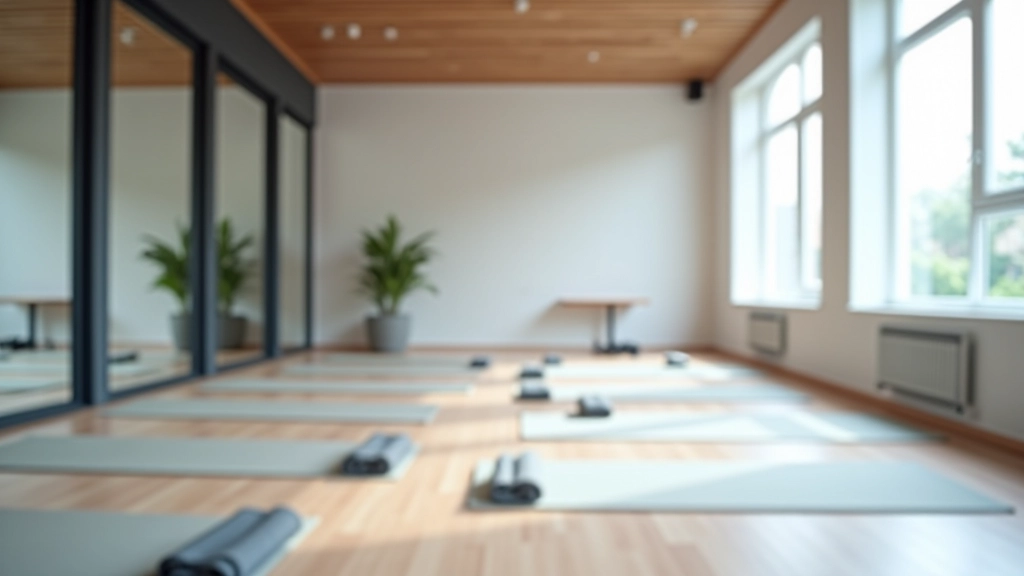
Picking a gym isn’t just about proximity or price. The right facility can be the difference between sticking with your routine and abandoning it after three months. It’s about equipment quality, coaching availability, atmosphere, and whether the place actually motivates you to show up.
Hong Kong’s got plenty of fitness centers scattered across neighborhoods. Some are sprawling facilities with everything you could want. Others are small, specialized studios. There’s no “best” option — only what works best for your goals and your life.
Before you tour a single facility, get clear on what you’re actually trying to accomplish. This shapes everything else.
Most people think they need a “complete” gym. They don’t. You’ll save money and enjoy your training more if you choose a facility built for your actual goals, not a compromise that tries to be everything.

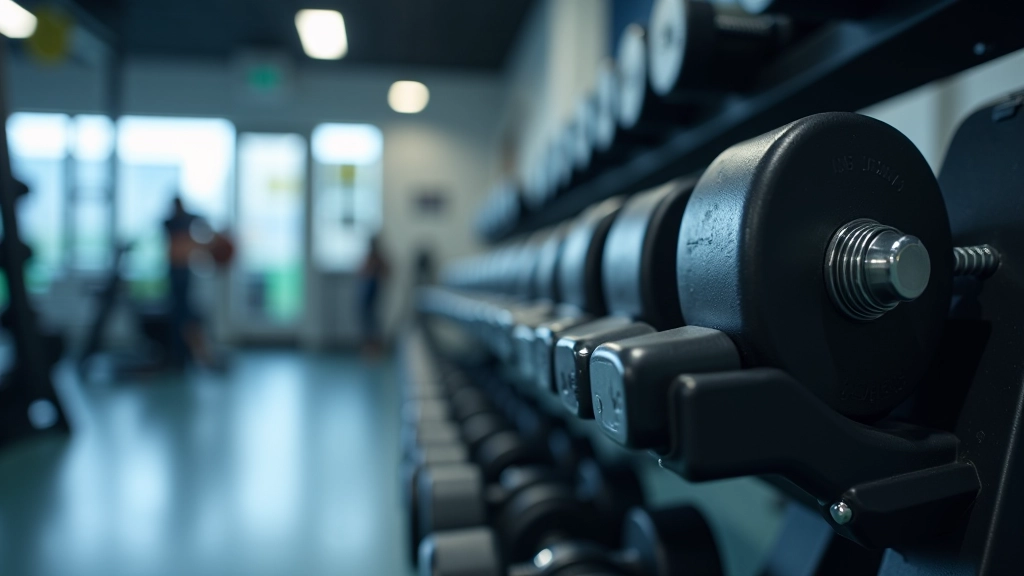
Walk into any gym and you’ll see equipment. But there’s a huge difference between a dumbbells collection that’s current and one that’s been gathering dust for five years.
Here’s what to actually check when you tour: Are the machines clean and well-maintained? Do the adjustments work smoothly? Are the weights labeled clearly? Most importantly, does the place have the specific equipment for YOUR training style?
You don’t need fancy. You need functional. A gym with solid free weights, a few barbells, and consistent maintenance beats a showroom that looks good but isn’t kept up.
A decent facility without good coaching can still work if you know what you’re doing. But most people don’t. They’ll benefit enormously from actual instruction.
Check if instructors actually correct form or just count reps. Do they offer modifications? Can they remember your name after two visits? Good instructors create community.
Ask about trainer qualifications. Look for certifications (NASM, ACE, ISSA). Are they trained in movement assessment? Will they design a program or just count your reps? Good trainers charge more — it’s worth it.
Does the gym do a movement assessment when you join? Do they ask about your history? Or do they just hand you a waiver? Real facilities want to understand where you’re starting from.
Don’t assume all gyms offer the same level of coaching. Some facilities focus entirely on self-directed training. Others have full coaching teams. Your choice depends on whether you need guidance or prefer independence.
The membership fee isn’t always the real price. You need to ask the right questions before signing anything.
Some gyms advertise low monthly rates but make up for it with registration fees or class surcharges. Others are transparent about everything. Ask for their pricing breakdown in writing. If they won’t provide it, that’s a signal.

This is the part people overlook. You can have perfect equipment and great coaching, but if the place feels unwelcoming, you won’t want to show up.
Spend time at a facility before committing. Go during the time of day you’d actually train. Watch how members interact. Do people acknowledge each other or just isolate with headphones? Are there regular faces or is it always different people?
You don’t need everyone to be your friend. You just need an environment where you feel comfortable. Some people thrive in a hardcore lifting atmosphere with loud music and chalk dust. Others prefer quiet, clean, respectful spaces. Neither is wrong — you need to know which one fits you.

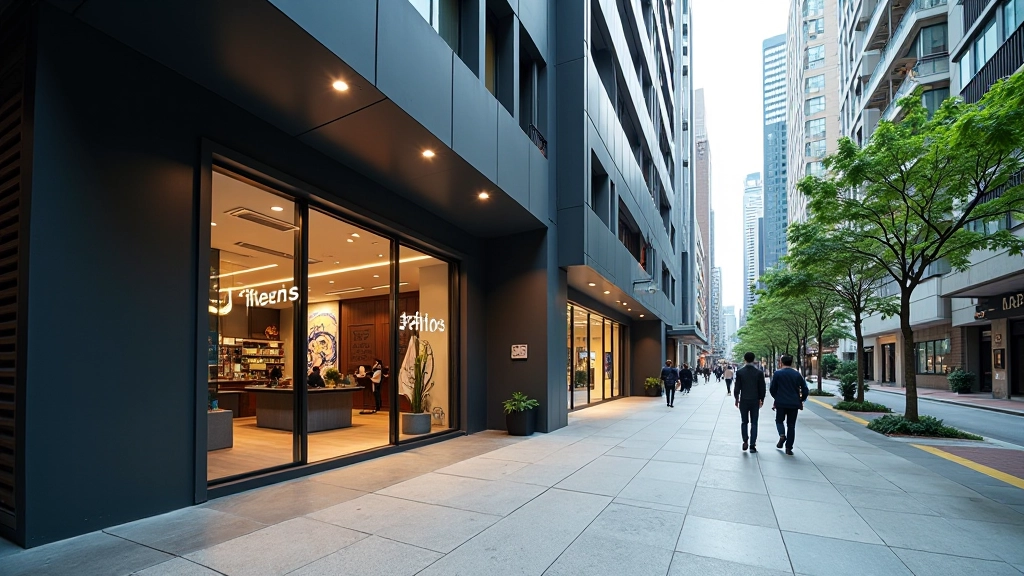
The best gym in the world won’t help if it takes you 45 minutes to get there. Convenience compounds over time. A facility that’s 10 minutes away gets visited. One that’s 30 minutes away gets skipped when you’re tired.
Think about your actual routine. Will you go before work? After? Weekends? Pick a location that fits your schedule naturally, not one that requires you to rearrange your life.
By now you’ve probably narrowed things down. Here’s how to make the final call between your top 2-3 options.
Does it have what you need for YOUR goals? Not what you might need someday.
Can you get instruction when you need it, or will you feel abandoned?
Does the vibe feel right when you visit during your training time?
Can you realistically get there consistently, or will distance kill your commitment?
Actual monthly cost including all fees, not just the advertised price.
Can you do a week-long trial before committing to a contract?
Don’t overthink this. Rate each option on these factors and pick the one that wins most categories. Your “perfect” gym doesn’t exist — your best gym is the one you’ll actually use.
Start with 2-3 facilities that fit your neighborhood and budget. Visit each one during the time you’d actually train. Spend 30 minutes in the space — don’t just take a quick tour. Talk to members if you can. See if the staff is helpful or dismissive.
Once you’ve decided, try a trial membership if available. One week of real training will tell you more than any amount of research. If it doesn’t feel right after a few sessions, switch. You’re not locked in for life.
The right fitness center isn’t about having everything. It’s about having what matters to you, in a place you’ll actually want to show up. That’s it. Everything else is secondary.
This article provides educational information about selecting fitness centers and evaluating gym facilities. It’s not personal training advice or medical guidance. Fitness needs vary significantly based on individual health status, injuries, and goals. Before starting any new fitness routine, consult with a healthcare professional or certified fitness coach, especially if you have existing health conditions. Gym selection should be based on your personal circumstances and professional guidance.