How to Navigate Hong Kong’s Restaurant Scene Like a Local
Skip the tourist traps. We’ll show you where real Hongkongers eat — from dai pai dong to hidden Michelin-worthy spots. Organized by neighborhood and cuisine type.
Why Local Knowledge Matters
Hong Kong’s food scene isn’t about Michelin stars alone. It’s about understanding neighborhoods, timing, and knowing which hole-in-the-wall spots have been feeding families for 30 years. The best meals aren’t always on Instagram — they’re the ones locals queue for on weekday lunches.
This guide breaks down how to find them. We’re not talking about guidebook restaurants. We’re talking about the places where you’ll hear Cantonese being spoken, where the menu might not have English translations, and where the owner remembers regulars by their order. That’s where the real food culture lives.
What You’ll Learn
- How to decode neighborhood dining culture
- When and where to eat like a local
- Reading menus without English translations
- Finding dai pai dong and street food spots
- Timing your visits for the best experience
The Neighborhoods That Matter
Each district has its own food personality. You’re not going to find the same experience in Central as you will in Sham Shui Po.
Sham Shui Po
The working-class heart of Kowloon. Dai pai dong serving breakfast from 6am, noodle shops packed with construction workers, and some of the cheapest dim sum you’ll find. It’s loud, it’s chaotic, and it’s authentic.
Best for: Breakfast & street foodMong Kok
Dense, energetic, and full of surprises. You’ll find everything from Michelin-starred restaurants hidden on upper floors to stall-style joints serving tong sui (sweet soups). Locals come here for lunch speed and variety.
Best for: Lunch varietyCauseway Bay
Tourist-heavy on the surface, but dig deeper. There’s a whole network of neighborhood restaurants where office workers grab lunch. The key is knowing which streets to explore beyond the main shopping district.
Best for: Office lunch spotsSheung Wan
Elevated but unpretentious. You’ll find proper dim sum restaurants, Michelin-listed spots that don’t feel fancy, and neighborhood cafes. It’s where local professionals actually eat — not where tourists go.
Best for: Quality without pretenseTiming is Everything
Locals don’t eat when tourists eat. There’s a rhythm to Hong Kong dining — and you need to understand it to get the best experience.
Breakfast happens early. We’re talking 6am to 9am for dim sum. Most locals are done by 10am. If you show up at 11am expecting the full dim sum experience, you’re already late. The carts aren’t rolling anymore, and the energy’s different.
Lunch is 12pm to 1:30pm. Sharp. After 2pm, most neighborhood places are closing. Dinner starts around 6:30pm and peaks at 7:30pm. Don’t expect to walk into a busy spot at 9pm and get a table without waiting — or it might be dead because locals are already home.
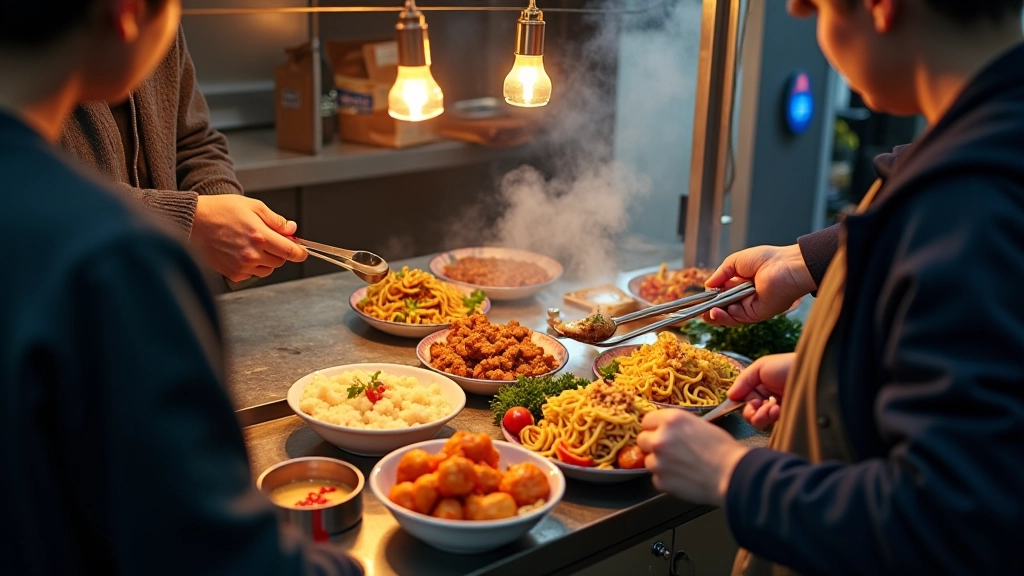
Finding Dai Pai Dong
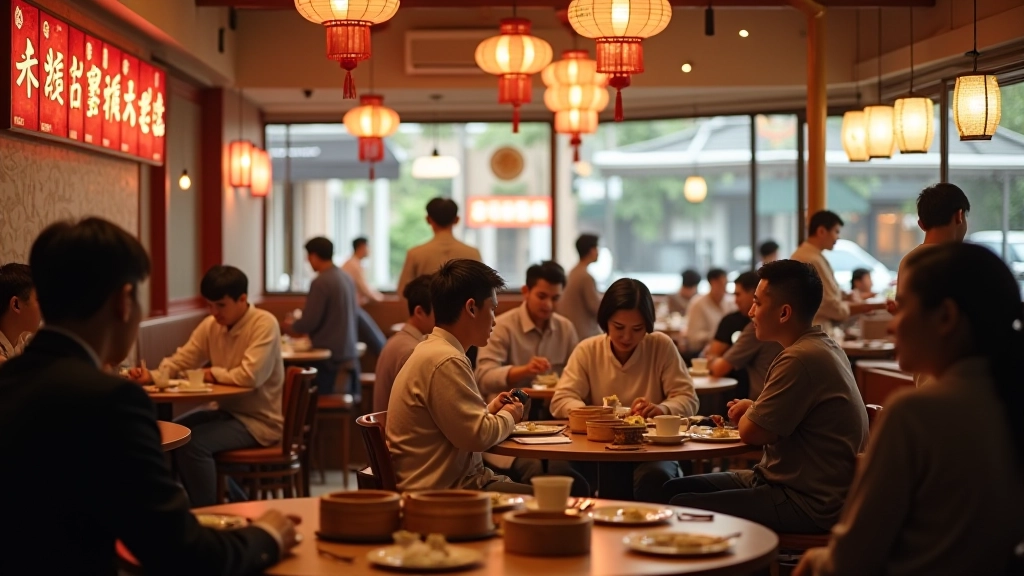
Dai pai dong literally means “big license plate” — these are open-air food stalls with government licenses. They’re the backbone of Hong Kong’s street food culture. Cheap, fast, authentic, and you’re eating what was cooked 10 minutes ago.
They’re not always easy to spot. You won’t find them on Google Maps reliably. Look for clusters of red plastic stools, metal tables, and people standing while eating. That’s a dai pai dong. The best ones are crowded during lunch and breakfast — not at night.
Point at what looks good. Say “same same” while gesturing at someone else’s plate. Most stall owners understand the universal language of “I want that.” Budget HK$30-50 for a complete meal. Cash only at most places.
Where to Find Hidden Gems
The best restaurants aren’t advertised. They’re discovered through local networks and exploration.
Upper Floor Restaurants
Hong Kong’s best-kept secrets are on upper floors. Walk into a nondescript building, take the stairs or lift, and you’ll find proper sit-down restaurants. These aren’t fancy — they’re neighborhood joints that locals actually visit. You won’t see them from the street, which is why tourists miss them entirely.
Look for buildings with multiple restaurant signs in the lobby. That’s your clue. Explore. Ask locals which floor to go to. These places often have better food and prices than ground-level restaurants.
Off-Peak Neighborhoods
Avoid the obvious tourist areas. Instead, pick a random MTR station in a residential district — somewhere like Tai Koo, Quarry Bay, or North Point. Walk around. You’ll find restaurants that have been there for decades, full of regulars, with authentic food and honest prices.
These neighborhoods don’t have English signage. The menus are Chinese-only. The owners probably don’t speak English. That’s exactly why the food is good. There’s no pressure to dumb anything down.
Local Dining Etiquette
Understanding how locals eat helps you blend in. These aren’t strict rules — they’re just how things work in Hong Kong restaurants.
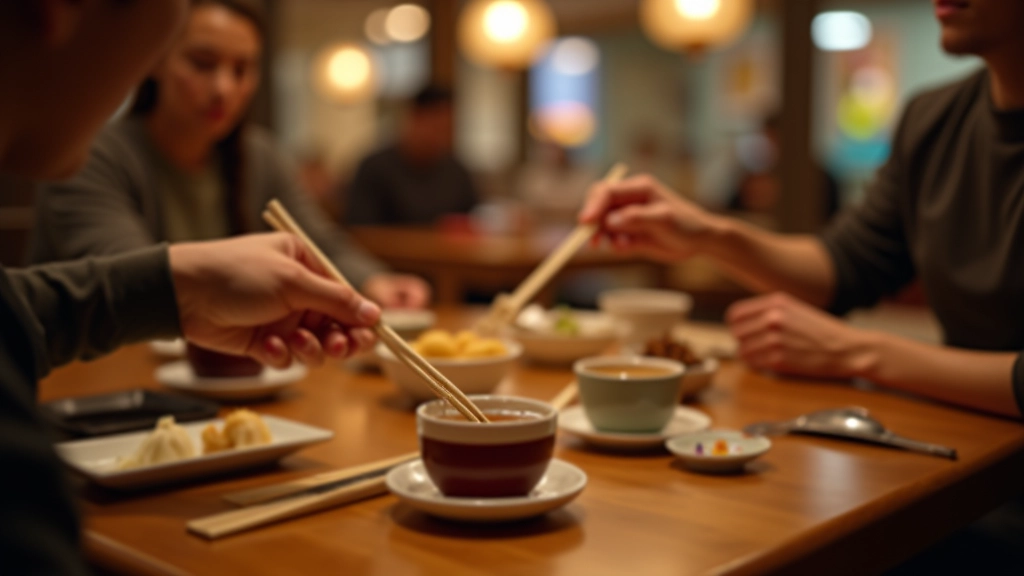
Tap the Table for Thanks: When someone pours tea for you, tap your fingers on the table twice. It’s a silent thank you. Everyone does it. It’s not optional in dim sum culture.
Share Everything: Hong Kong dining is communal. Food comes in the middle. Everyone takes from the shared plates. Don’t order individual portions unless you’re alone — it’s considered odd.
Don’t Stick Chopsticks in Rice: This is a major taboo. It looks like incense at a funeral. Use the chopstick rest, or lean them on the edge of your bowl.
Eating Speed Matters: Lunch is fast. Don’t linger over a meal for 90 minutes. Eat, pay, leave. This isn’t rude — it’s respectful of the restaurant’s pace and other waiting customers.
Start Exploring
Hong Kong’s food scene rewards curiosity. The best meal you’ll have probably won’t be at a place you planned to visit. It’ll be somewhere you wandered into because it looked busy. That’s how locals discover restaurants — by exploring, watching what others eat, and following the crowds.
Start with the neighborhoods mentioned above. Arrive early for dim sum. Learn a few key words. Don’t be afraid to ask questions. And most importantly, eat where locals eat. You’ll understand the city better through its food than through any guidebook.
The restaurant scene isn’t a puzzle to solve — it’s an experience to embrace. Take your time. Be willing to get lost. The best discoveries happen when you’re not looking for them.
Disclaimer
This guide is for informational and educational purposes. Restaurant locations, hours, menus, and specialties change frequently. We’ve provided general guidance on where and how locals eat, but you should verify current information before visiting any establishment. This article isn’t endorsing any specific restaurant — it’s explaining the patterns and strategies locals use when navigating Hong Kong’s dining culture. Always confirm operating hours, menu availability, and any dietary accommodations directly with restaurants before your visit.